Thinking about making Denver County home? Picture this: a morning run along the river, coffee near Union Station, a sub-30-minute commute, and dinner in a neighborhood packed with restaurants. You want lifestyle, but you also want the numbers to make sense. Here you’ll get both. We’ll walk through housing types and price tiers, daily life logistics, parks and culture, plus a practical budgeting framework so you can plan with confidence. Let’s dive in.
Denver County at a glance
Denver County blends city energy with mountain access. The population sits around 729,019, and household income trends are strong. According to the U.S. Census Bureau’s QuickFacts for Denver County, median household income is about $94,718, the median value of owner-occupied homes is roughly $616,000, and the median selected monthly owner costs with a mortgage are about $2,466. Median gross rent is about $1,831, and the mean travel time to work is approximately 24.9 minutes. You can review these figures directly in the U.S. Census Bureau’s QuickFacts for Denver County.
Housing styles and neighborhood character
You’ll find a wide range of homes across Denver County. Closer to downtown, many streets feature late-19th and early-20th-century architecture. Victorian-era homes, American Foursquare “Denver Squares,” and Craftsman bungalows are common in historic districts such as Curtis Park and Five Points. For a deeper look at the area’s historic housing fabric, the Denver Public Library’s neighborhood guide to Curtis Park is a helpful reference point: Curtis Park, Denver’s first streetcar suburb.
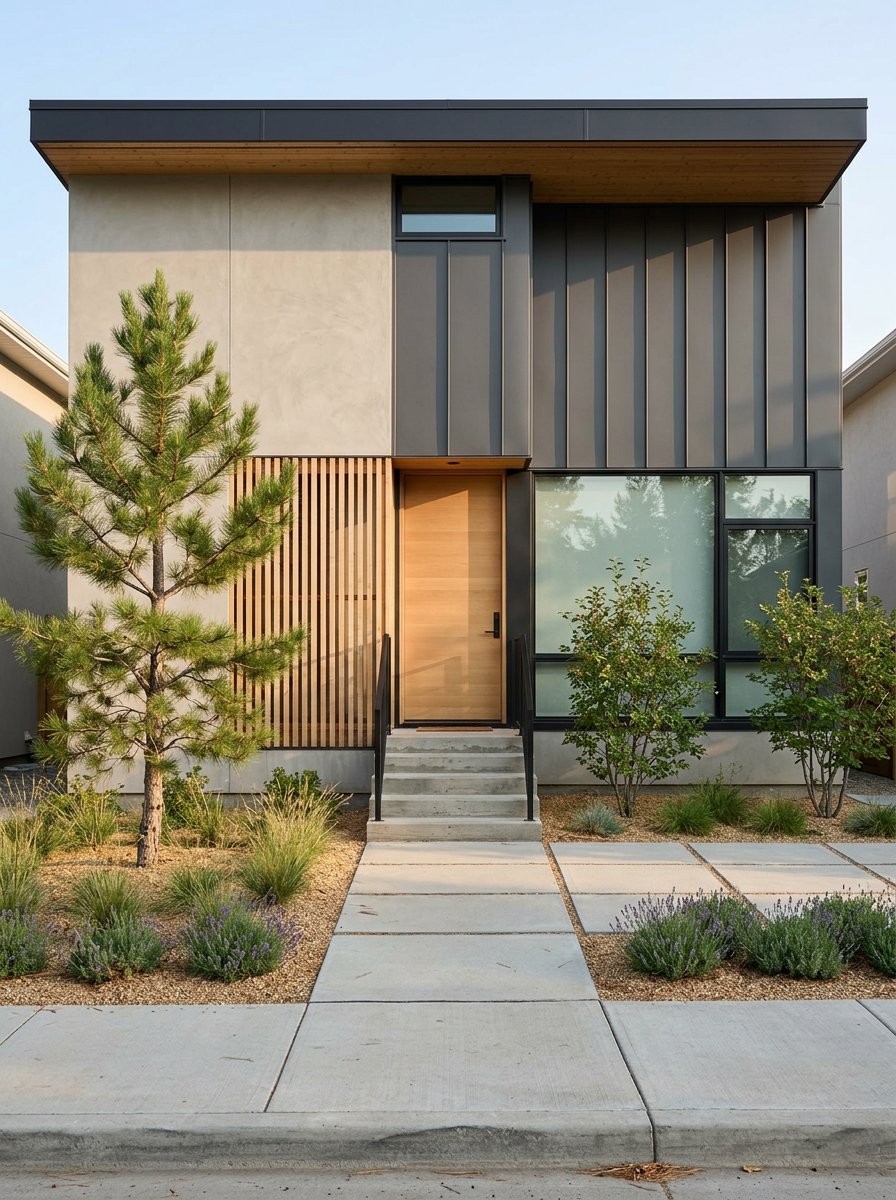
Mid-century ranch homes and postwar bungalows appear across many established neighborhoods, offering practical layouts and tree-lined blocks. In recent years, infill and redevelopment have added rows of modern townhomes, boutique condos, and loft-style living in and around LoDo and other central areas. The result is a true mix of choices, from historic single-family homes to lock-and-leave condos and townhomes.
What homes cost today
Denver’s market offers several entry points. Current county-level medians give you a reality check before you zoom in on a specific block or building:
- Condos and townhomes: The median sale price is about $420,000.
- Overall residential and single-family anchor: The county-wide median sits near $630,000.
These figures come from the Colorado Association of REALTORS® January 2026 Denver County update. You can view the full report here: Denver County Local Market Update.
Prices vary by neighborhood, property condition, and HOA structure, so think of these numbers as guideposts rather than exact predictions for a given address.
Budgeting the monthly payment
Use the Census baseline to visualize ownership costs. The countywide median selected monthly owner costs with a mortgage are about $2,466, and median gross rent is around $1,831 as a reference point. Your actual payment depends on your down payment, interest rate, loan type, property taxes, insurance, and any HOA fees.
Key variable items to confirm on each listing:
- Property taxes and mill levies vary by location and assessment year. Review the property’s tax history and county tools for the latest numbers.
- HOA fees can range from modest for smaller buildings to higher for amenity-rich properties.
- Utilities and insurance differ by home type and age. Ask for recent utility history when possible.
As a CFP-led advisor, I encourage you to define a cash flow comfort zone first, then back into a target price that supports your long-term plan.
Getting around: commutes and transit options
Daily travel tends to be manageable. The mean commute in Denver County is about 24.9 minutes, based on the U.S. Census data noted earlier. If you work downtown or along major corridors, it can be even shorter.
Transit is a practical alternative to driving in many parts of the county. The Regional Transportation District (RTD) operates 10 rail lines covering about 113 miles, plus a robust bus network and Park-n-Ride lots. Explore routes and schedules on RTD’s site: RTD system overview.
If you prefer biking, Denver’s system of on-street lanes and off-street paths connects many neighborhoods to downtown. Trails along Cherry Creek and the South Platte River make two-wheeled commuting and weekend rides accessible.
Parks, trails, and outdoor life
Outdoor time is part of the local rhythm. Denver Parks & Recreation manages over 280 urban parks along with historic parkways, natural areas, and more than 14,000 acres of mountain parks owned by the city. You can get a feel for the scope of the system here: Denver Parks & Recreation.
Multi-use paths like the Cherry Creek Trail and the South Platte River Trail stitch through the city for long runs, training rides, and easy weekend loops. The High Line Canal Trail spans about 71 miles across the region, with segments connecting into Denver neighborhoods.
For quick escapes, Cherry Creek State Park sits just southeast of the city with a reservoir and miles of trails. Learn more from Colorado Parks and Wildlife’s overview of state parks in the metro area: Cherry Creek State Park.
On many weekends, locals drive roughly 1.5 to 2 hours to reach Rocky Mountain foothills and national park trailheads. Day trips are a normal part of Denver life.
Culture, dining, and entertainment
Downtown’s arts scene is anchored by the Denver Center for the Performing Arts, a complex that brings touring productions, local theater, and dance to the heart of the city. You can browse upcoming shows and programs at the Denver Center for the Performing Arts.
Neighborhoods like LoDo and Union Station, RiNo, Cherry Creek, the Highlands/LoHi area, and South Broadway host dense clusters of restaurants, breweries, and live-music venues. Red Rocks Amphitheatre, just outside the county line, draws locals for concerts and sunrise workouts in a spectacular setting. From weekday coffees to celebratory dinners, you have options at every price point.
Schools and healthcare essentials
Denver Public Schools (DPS) serves the city with about 198 schools, alongside a range of charter, magnet, and private options. School programs and enrollment policies can vary, so review district resources to understand how it works for your household. Start with the district overview here: Denver Public Schools.
Healthcare access is strong across major systems. Denver Health provides comprehensive services through its hospital and network. Explore services and locations at Denver Health. You also have access to specialty care at institutions such as National Jewish Health and Children’s Hospital Colorado in the broader metro area.
A day in the life: a realistic snapshot
- Morning: Jog or bike along the South Platte or Cherry Creek, then grab a coffee near Union Station or your neighborhood cafe.
- Midday: Commute downtown by light rail or bike if you live near a central corridor, or drive from an outer neighborhood with a typical sub-30-minute trip.
- Evening: Meet friends at a RiNo brewery, see a show at the DCPA, or catch a sunset from a neighborhood park.
- Weekend: Hike a foothills trail, paddle at Cherry Creek, or plan a long ride along the High Line Canal.
Central vs outer neighborhoods: trade-offs to weigh
- Central neighborhoods: Shorter commutes, stronger walkability, and close-in culture. You may trade off on price-per-square-foot and yard size.
- Outer neighborhoods: Larger lots and more space for the money. You’ll rely more on a car and have a longer drive to central nightlife.
Choose based on your daily routine. If you go downtown three days a week and love restaurants, a central location can pay you back in time saved. If you want a workshop, garden, or extra bedrooms, an outer neighborhood can be the better fit.
Make a plan with numbers
Use a simple decision framework to move from wish list to contract-ready.
Buyer checklist
- Define your monthly comfort range, not just a top price. Start with a conservative baseline, then stress-test with higher interest rates.
- Map your routine. Identify preferred travel times and RTD options, and test drive or ride a sample commute.
- Segment by property type. Compare HOA fees, maintenance, and insurance for condos, townhomes, and single-family homes.
- Verify variable costs. Review recent property taxes, HOA budgets, and utility averages for short-listed homes.
- Prioritize liquidity. Keep an emergency reserve after closing so you can handle repairs or rate resets with confidence.
Seller checklist
- Prepare with purpose. Tackle repairs and staging that influence first impressions and buyer confidence.
- Price with the market. Anchor to current comps and the latest county medians from the Denver County Local Market Update, then localize to your micro-market.
- Build early momentum. Plan a concentrated first three weeks for marketing across digital channels and referrals.
- Anticipate appraisals. Review comps and updates so you can present a clear value story.
- Clarify next steps. If you also plan to buy, align timelines to protect your liquidity and minimize carrying risk.
Ready to explore Denver County with a plan?
If you want your move to align with your lifestyle and your long-term financial goals, let’s talk strategy first. I’ll help you define your budget, evaluate neighborhoods by daily routine, and model ownership costs so you can decide with clarity. Schedule a consultation with Chad Murray.
FAQs
What is the typical commute time in Denver County?
- The mean commute is about 24.9 minutes across the county, with shorter trips common if you live or work near downtown.
How much does a typical home cost in Denver County right now?
- County medians suggest about $630,000 for overall residential and roughly $420,000 for condos and townhomes; specific neighborhoods and buildings vary widely.
Is Denver walkable, and which areas are most convenient?
- Walkability depends on the neighborhood. Central areas near downtown and major corridors tend to be more walkable, while many outer areas are more car-oriented.
What are parks and outdoor options like near the city?
- Denver maintains over 280 urban parks, extensive multi-use trails, and city-owned mountain parks, plus easy access to spots like Cherry Creek State Park.
How should I budget for HOA fees and property taxes in Denver?
- HOA fees and taxes vary by property and year. Review each listing’s HOA documents and tax history, then model your all-in monthly cost before you write an offer.
Are historic homes common in Denver County?
- Yes. You’ll find Victorian-era homes, Denver Squares, and Craftsman bungalows in several central neighborhoods, alongside mid-century and new-build options.
