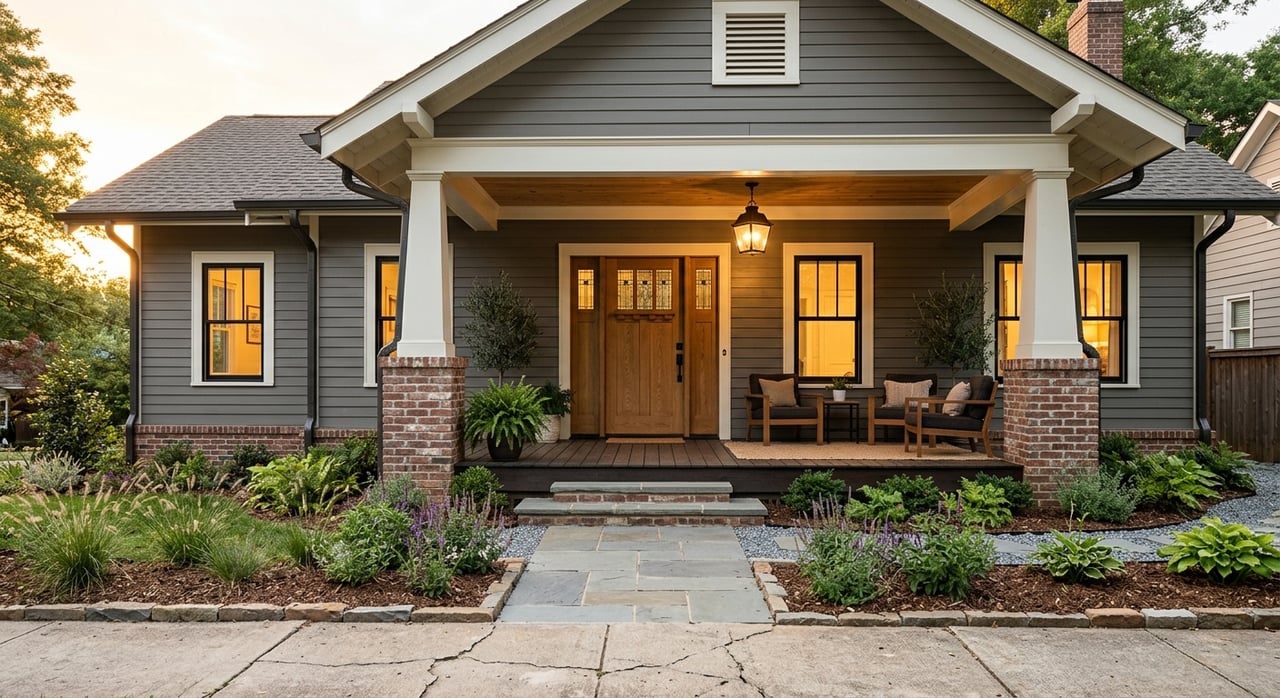
If you want a place that feels connected, active, and easy to enjoy day to day, Louisville deserves a close look. You may be trying to balance commute access, home value, and quality of life without giving up character. The good news is that Louisville offers a rare mix of small-town feel, regional convenience, and strong community infrastructure. Let’s dive in.
Why Louisville Stands Out
Louisville sits along the US-36 corridor in Boulder County, with about 20,811 residents. The city describes itself as preserving a small-town ambiance while supporting a vibrant and sustainable business environment. That combination helps explain why Louisville continues to attract buyers who want both lifestyle appeal and practical access.
This is not a place that feels defined by one feature alone. Louisville blends a historic core, established neighborhoods, trail connections, open space, and a meaningful local employment base. If you are looking for a market that feels livable beyond the home itself, that mix matters.
Downtown Louisville Feels Personal
Historic downtown is one of Louisville’s clearest draws. The city recognizes more than 69 local landmarks, and the downtown area centers around a compact five-square-block core with 100-year-old buildings and more than 100 businesses. That scale helps create the small-town atmosphere many buyers hope to find.
Downtown functions as more than a shopping district. It is a daily gathering place with City Hall, the public library, the museum, shops, pubs, galleries, studios, and live music on most nights of the week. The Louisville Farmers Market also adds regular community activity and support for local agriculture and small businesses.
Dining is another big part of daily life here. Downtown business listings show a wide mix of options, from bakeries and coffee roasters to breweries and sit-down restaurants. For you as a buyer, that means daily convenience and social options are built into the setting rather than requiring a long drive.
Trails and Parks Shape Daily Life
One of Louisville’s strongest lifestyle advantages is how easy it is to get outside. The city says it has about 32 miles of trails, including the Loops of Louisville routes in 1-mile, 5K, and 10K options. For many residents, that trail network is part of everyday life, not just weekend recreation.
Louisville also owns or holds an interest in roughly 2,000 acres of open lands. In addition, the city reports 37 parks and more than 355 acres of parkland. Those numbers help explain why the community feels open and connected, even as the broader Front Range continues to grow.
Just as important, the trail system links open spaces to residential neighborhoods and commercial areas. In practical terms, that means you can often walk or bike to amenities from your doorstep. If your decision framework includes lifestyle efficiency, this kind of infrastructure can add real value over time.
Commute Access Without Losing Identity
A lot of buyers want access to Boulder or Denver but do not want to feel like they live in a place that exists only for commuting. Louisville makes a strong case here. According to the city, it is about 15 minutes from Boulder, 25 minutes from downtown Denver, and 35 minutes from Denver International Airport via Northwest Parkway.
The city also supports active transportation and transit connections. Louisville points to RTD service, the Louisville/Superior Park-n-Ride, and the US-36 McCaslin Bike-n-Ride shelter as part of its transportation network. That gives you more than one way to think about mobility, especially if flexibility matters to your schedule.
What makes Louisville especially compelling is that it is not only a commuter base. The city reports about 13,980 local employees and 1,203 businesses, with a workforce estimate of around 14,000 employees in town. That local job presence helps Louisville feel more self-contained than many suburbs with similar regional access.
Louisville Has a Real Economic Base
For buyers who think beyond the next year or two, local economic depth matters. Louisville’s community profile lists employers such as Avista Adventist Hospital, Fresca Foods, Medtronic Navigation, JumpCloud, Sierra Space, Lockheed Martin, and Balfour Senior Living. A diverse employer base can support long-term demand and day-to-day convenience.
This does not mean every buyer will work in Louisville. It does mean the city functions as more than a place to sleep between workdays. When a market combines local jobs, community amenities, and regional access, it often feels more resilient and easier to live in over time.
What Homes Cost in Louisville
Louisville is a premium-priced ownership market, so it helps to go in with clear expectations. The Census Bureau’s 2020 to 2024 QuickFacts show a median owner-occupied home value of $883,900, a median monthly owner cost of $2,948 for mortgaged homes, and a median gross rent of $2,166. The owner-occupied rate is 71.7%, which also points to a strong ownership presence.
Recent pricing snapshots support a similar range. March 2026 figures cited in the research place Louisville generally in the upper-$800,000s to low-$900,000s overall, depending on source and methodology. That is best understood as a broad market picture, not a promise of what any one property will cost.
For many buyers, the more useful detail is the split by home type. Louisville’s 2025 Inclusionary Housing Analysis found a median price of $938,000 for single-family homes and $485,000 for townhome or condo sales. That spread creates different entry points depending on your goals, space needs, and monthly comfort zone.
What Types of Homes You’ll Find
Detached single-family homes remain the anchor of the Louisville market. In the city’s 2025 housing analysis, the average finished size was 2,346 square feet for single-family homes. If you want more interior space, a yard, or a traditional detached setup, that segment is likely where much of your search will focus.
Townhomes and condos offer another path into the market. The same analysis found an average finished size of 1,295 square feet for townhome and condo sales. For some buyers, that can mean a better fit for budget, lower maintenance, or a simpler ownership model.
Housing diversity is also increasing gradually. Louisville now allows accessory dwelling units on all single-family lots citywide, including both attached and detached ADUs on qualifying lots. While that does not transform the market overnight, it does show the city is making room for a somewhat broader range of housing arrangements.
What the Premium Buys You
In Louisville, price is tied to more than square footage. The value proposition includes a preserved historic downtown, frequent community programming, broad trail and open-space access, and a civic focus on protecting those assets. If you are comparing Louisville with other Front Range options, this is an important lens.
In other words, you are not just buying a house. You are buying into a setting where downtown remains active, trails connect neighborhoods to amenities, and open land helps buffer the city from surrounding growth. For many buyers, that combination supports both daily enjoyment and long-term confidence.
A Smart Way to Evaluate Louisville
If Louisville is on your shortlist, it helps to evaluate it with both lifestyle and financial discipline. Start with the basics: your target monthly payment, down payment strategy, and the home type that best matches your next stage of life. In a market with a wide gap between detached and attached pricing, clarity on trade-offs can save time and stress.
Next, think about how you actually want to live. Do you want walkable access to downtown activity, stronger trail connectivity, easier commuting along US-36, or a lower-maintenance attached home? Louisville can support different priorities, but the right fit depends on what you value most.
Finally, remember that premium markets reward preparation. When you understand your cash flow comfort zone and your long-term plan, it becomes easier to decide whether Louisville is the right move now, later, or in a different property category. That kind of clarity matters just as much as watching headline prices.
If you are considering a move in Louisville, a finance-first strategy can help you weigh lifestyle goals against purchase price, monthly cost, and long-term flexibility. When you are ready for a clear, data-driven conversation about buying or selling in this part of Boulder County, connect with Chad Murray.
FAQs
Is Louisville, Colorado, a good fit for commuters?
- Louisville offers access along the US-36 corridor, with the city stating it is about 15 minutes from Boulder, 25 minutes from downtown Denver, and 35 minutes from Denver International Airport, plus RTD and park-and-ride connections.
Is downtown Louisville, Colorado, walkable?
- The strongest walkability is in and around historic downtown, where the compact five-square-block core includes civic spaces, shops, dining, and community gathering spots.
What home types are common in Louisville, Colorado?
- Detached single-family homes are the core of the market, with townhomes and condos providing lower-price alternatives, and ADUs now allowed on single-family lots citywide on qualifying properties.
How expensive is the Louisville, Colorado housing market?
- Research points to Louisville as a premium-priced market, with recent overall home values and sale or list metrics generally falling in the upper-$800,000s to low-$900,000s, while attached homes tend to price lower than detached homes.
What makes Louisville, Colorado, feel like a small town?
- Louisville’s small-town feel comes from its historic downtown, preserved landmarks, compact business core, regular community events, and trail-linked neighborhoods that support everyday connection.
Does Louisville, Colorado, have good outdoor access?
- Yes. The city reports about 32 miles of trails, roughly 2,000 acres of open lands, 37 parks, and more than 355 acres of parkland.
